Look beyond the age of the house
South Lubbock includes newer subdivisions south of Loop 289, with projects commonly described using ZIPs 79423 and 79424. Those ZIPs cover broad areas, not one soil profile. Give the exact address and identify additions, patios or major landscaping installed since construction.
New paint and modern finishes can make damage hard to date. Check builder records, inspection photos and any first-year repair notes. A recurring crack that was painted over deserves a different discussion from an isolated seam that has remained unchanged. Record what you know without assuming a construction defect.
Check lot-to-lot drainage
Fences, raised beds, new pools and neighboring improvements can change runoff routes. Look for water trapped between side yards or against the back slab edge. Flat terrain means small grade changes can matter. Ask the inspector to follow the water to a viable outlet rather than simply recommend a drain by name.
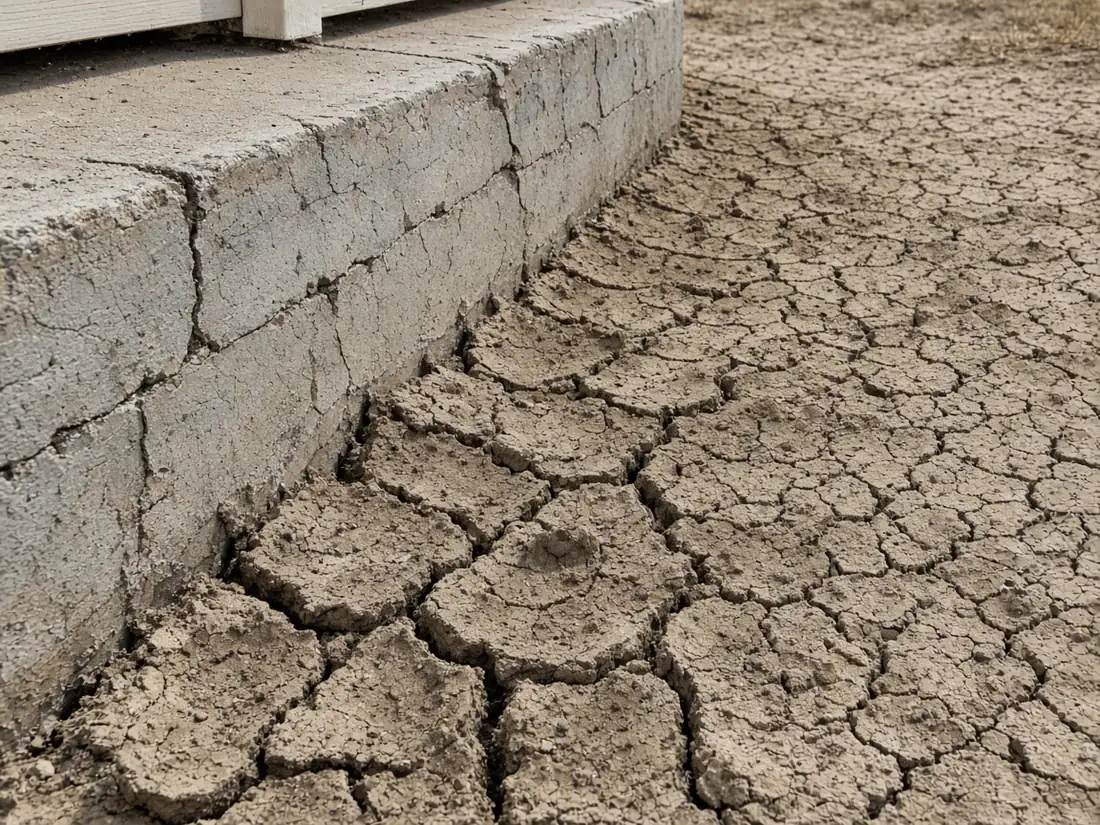
Roof drainage and irrigation can create uneven moisture around expansive clay. Caliche may complicate excavation without proving that support below the house is uniform. Avoid major watering changes based only on a cracked wall; ask for a lot-specific assessment of leaks, grading and foundation movement.
Document slab symptoms before selecting repairs
Ask for floor elevations, a damage map and an explanation of whether the slab appears to have settled, heaved or retained original construction variation. Below-slab plumbing tests may be useful when leak evidence supports them. A pro should explain why the proposed tests would change the repair decision.
Broad 2026 planning estimates for slab stabilization are about $4,000–$15,000 or more, not quotes. Interior access, deeper supports, engineering and surface restoration can add cost. Compare pier quantities and installation criteria as well as the total, and clarify which work belongs to other trades.
Coordinate repairs with existing obligations
Check builder and prior repair documents before authorizing alterations. They may contain notice procedures or warranty conditions worth understanding. Ask the proposed repair contractor how work near patios, utilities and irrigation will be protected and restored. A support plan should identify locations rather than leave them to a verbal explanation.
We are a free referral service connecting homeowners with independent local pros, not a builder or foundation contractor. You choose the provider and agree on scope, price and scheduling. Keep baseline readings, warranty terms and paid invoices together so future questions can be answered with records.